Golden Opportunity for Vietnam’s Industrial Real Estate Benefiting from the Shift of Production from China
Vietnam’s industrial real estate is emerging thanks to advantages in location, tax incentives, and green infrastructure, attracting FDI and upgrading the supply chain. The “China + 1” trend is completing global manufacturing services.
1. Impact of the Trade War and the “China + 1” Strategy
The wave of moving production out of China is happening strongly due to the US-China trade war, rising costs, and the need to diversify supply chains.
According to Mr. Michael Piro – CEO of Indochina Capital, Vietnam stands out because of its strategic position: acting as a bridge between Asia and Europe and being located on international maritime routes in the East Sea. The “China + 1” trend makes multinational corporations use Vietnam as a production base to reduce dependence and risks.
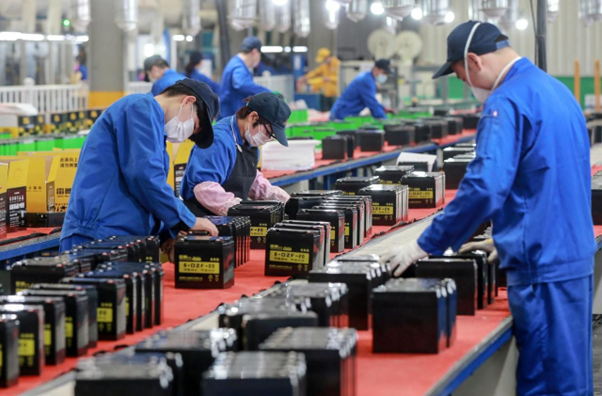
As a result, Vietnam’s industrial real estate has become a focus, attracting FDI, especially in automotive, rubber-plastic, garments, and particularly electronics and high-tech.
2. FDI Attraction Advantages: Dynamic Policy and Diplomacy
Mr. Vu Cong Tru – CEO of Vietnam Solution, believes Vietnam is becoming clearer on the global FDI map due to:
- Flexible diplomacy: Expanding relations and signing many trade agreements.
- Tax incentives and investment support: From Corporate Income Tax (CIT) reductions to incentives for importing machinery.
- Administrative reform: Helping international investors shorten project deployment time.
- Additionally, US tax policies for many Vietnamese items create confidence for investors.
3. Supply Chain Shift to Vietnam
Many international businesses in China are forced to move abroad to diversify production. This trend started before Covid-19 but accelerated when the US-China trade war escalated.
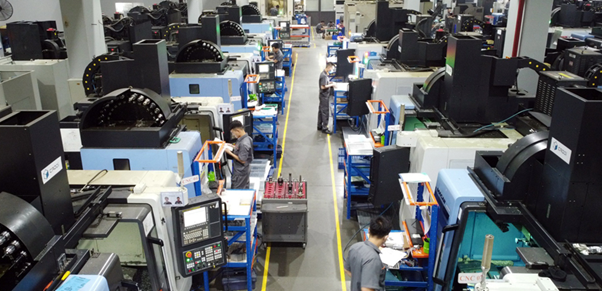
Ms. Pham Thi Hong Cam – Director of Sales & Marketing at Minh Hung Sikico IP, said investors choose new destinations not only for competitive costs but also to join the global supply chain, especially in countries with clear tax incentives and good resources. This is why Vietnam has become a top candidate for both foreign and Chinese businesses wanting to expand production.
4. New Trends in Vietnam’s Industrial Real Estate
Accelerated capital from China and Taiwan: Mr. Truong Ngoc Minh – Director of FIBIC, noted a strong entry of investors from Mainland China and Taiwan, especially in electronics and automotive supply chains.
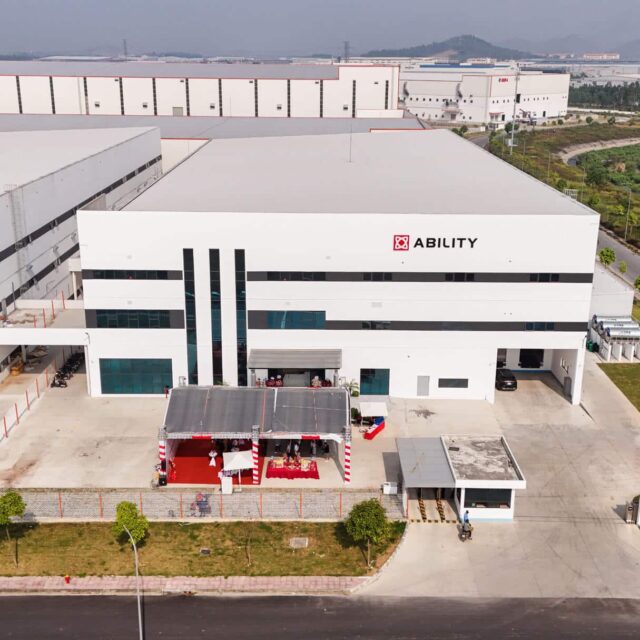
Expansion to new areas: Besides traditional hubs like Bac Ninh, Hai Phong, and Binh Duong, this wave is spreading to Phu Tho and Bac Giang—emerging locations with improving infrastructure.
Priority on “Green” and High-Tech factors: FDI investors usually require:
- Transparency and stable policies.
- Tax and machinery import incentives.
- Stable power and favorable logistics infrastructure.
- Available supply chains.
- ESG standards (Environmental – Social – Governance) and green technology are highly valued. Green industrial parks with clear solutions and quick licensing will be preferred
5. New Supply and Land Pressure
The market has seen notable developments recently:
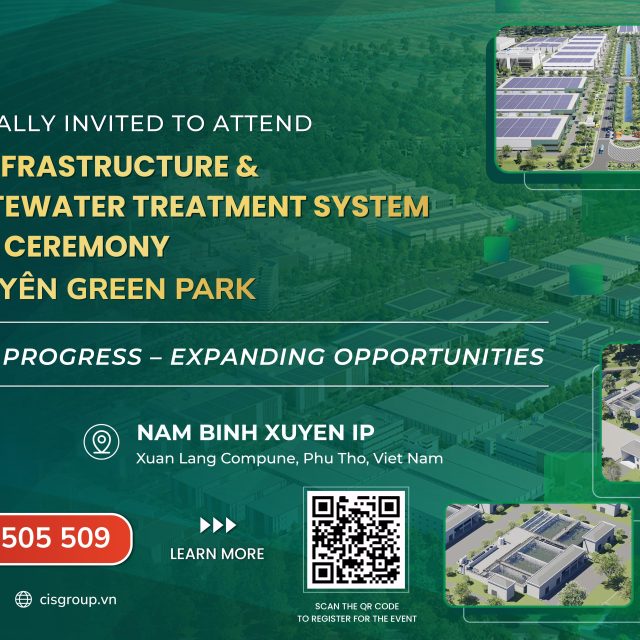
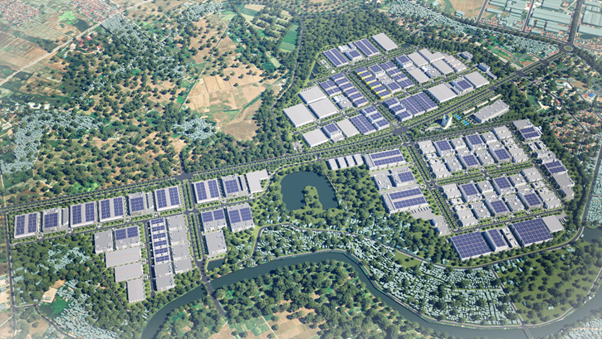
- Phu Tho: Nam Binh Xuyen Green Park (295.74 hectares) is well-planned, providing diverse factory models and modern infrastructure.
- Hanoi: High demand for land, especially in the high-end segment near the airport. In Q2/2025, the city approved the Mai Dinh High-Tech Industrial Cluster (66.54 hectares) and started Cluster CN2 (50.6 hectares).
- Pressure: High demand creates pressure on supply and increases rental prices, especially in traditional industrial centers.
6. New Policies to Enhance Competitiveness
According to Mr. Vu Minh Chi – Avison Young Vietnam, many policies are being improved to attract investors:
- Special licensing regulations for high-tech projects.
- Adjusting Corporate Income Tax to meet international standards.
- Shortening investment approval procedures.
- Encouraging green industrial parks and modern technology.
These efforts strengthen investor confidence and improve Vietnam’s position in the region.
7. Prospect of Becoming Asia’s New Manufacturing Hub
With a strategic location, competitive tax incentives, and improving infrastructure, Vietnam has the foundation to become Asia’s new manufacturing hub. In the next 5 years, Vietnam’s industrial real estate is forecasted to:
- Maintain strong FDI attraction.
- Develop green and high-tech industrial parks.
- Meet the demand for factory construction and integrated logistics.
Upgrade its position in the global value chain.
Conclusion
The shift of production out of China is a long-term strategy. Vietnam, with its advantages in location, tax incentives, and open policies, is utilizing this opportunity well. If Vietnam continues to reform and invest in green and high-tech factors, it will become a global manufacturing base in the next decade.
Contact for details:
🌐 Website: https://cisgroup.vn/
📞 Hotline: (+84) 866 505 509
📧 Email: hello@cisgroup.vn